

An artistic-research project in the Italian Volcanic Region (2025–27)

Volcano landscape

GeomorphologiesGeomorphologiesGeomorphologiesGeomorphologiesGeomorphogiesGeomorphologies

Geomorphologies is an art and research project by Philip Samartzis and Leandro Pisano exploring the volcanic landscapes of southern Italy. Through field recording, photography, writing and conversations with local residents, the project examines how geological forces enter daily life: through the ground beneath buildings, the availability of water, the movement of boats and the maintenance of gardens, streets and homes.


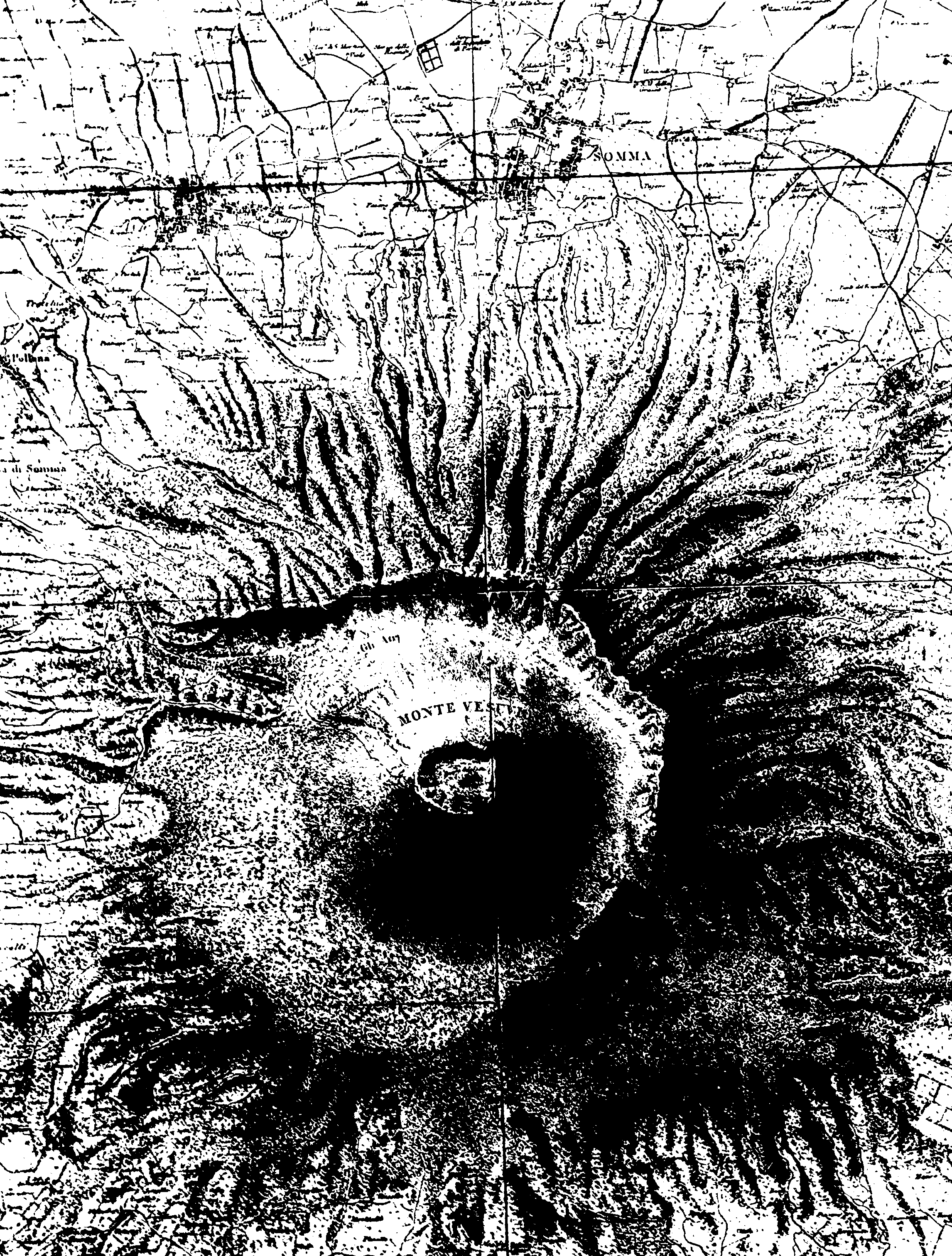
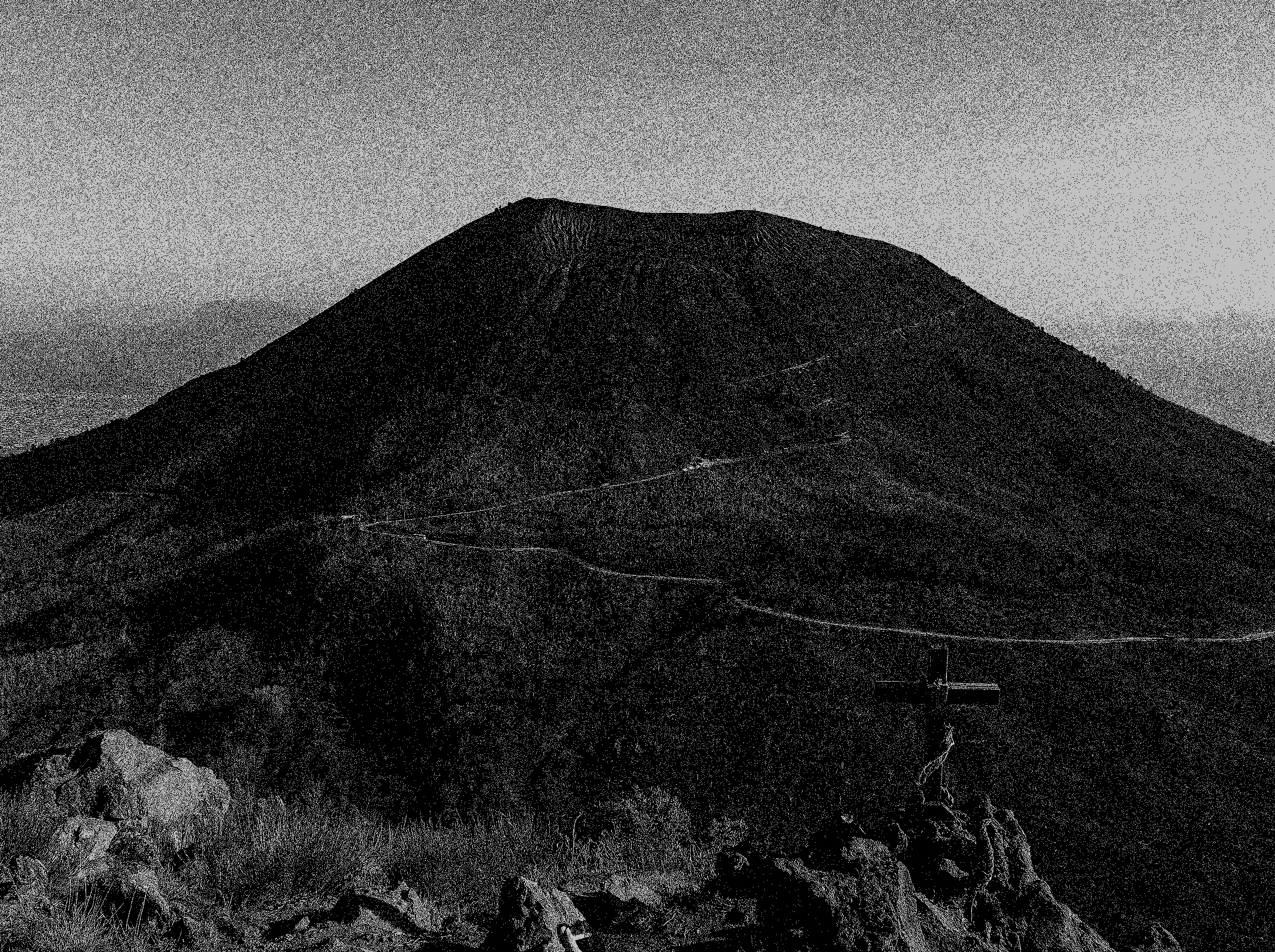
Working across Vesuvius, Campi Flegrei and the Aeolian Islands, Geomorphologies brings immediate encounters into contact with processes unfolding over centuries and millennia. Eruptions and seismic activity form part of a wider enquiry into places shaped by tourism, erosion, migration and changing patterns of habitation. Recordings, photographs and texts follow these overlapping forces, attending to the ways people occupy, interpret and continually adjust to environments that remain in motion.

‘Geomorphologies: Inhabiting Uncertainty’, a bilingual Italian–English book by Philip Samartzis and Leandro Pisano, will be published in two editions by Viaindustriae in 2027.

Geomorphologies is funded by the Hibou Foundation, with institutional support from RMIT University.

Fieldwork image
Tramandars, Borgo di Casamale by Giuseppe Lannone (2022)
Stromboli20kmSalinaVulcanoCampi FlegreiVesuvius

People

Philip Samartzis is a sound artist and researcher exploring the relationship between environmental change and the ways people inhabit places shaped by uncertainty. Fieldwork in Antarctica, the Swiss Alps and southern Italy informs projects developed through recording, photography and writing, with equal attention to everyday activity and environmental extremes. His collaborations with artists, scientists and local communities bring different forms of knowledge into contact with observations and experiences gathered in the field. Listening guides his approach, with attention to how sound travels through materials, structures and open spaces, and how these conditions influence the experience of a place. His work is presented internationally through exhibitions, performances and publications.

Leandro Pisano is a curator and researcher working across sound, ecology and rural geographies. His practice examines how technology and environmental change shape territories often regarded as peripheral, with particular attention to the knowledge and cultural practices of the people who live there. He is the founder and artistic director of Interferenze and Liminaria, platforms connecting experimental art with rural communities in southern Italy. Through exhibitions, residencies and public programmes, he brings artists, scholars and residents together to investigate the histories and changing conditions of these places. His work considers how listening can open different understandings of territory, belonging and rural life.

Project partners

Support partners

Interzona (Irpinia/Sannio, Southern Italy)is a cultural organisation focused on sound, territory, and contemporary art in rural contexts. Promoter of Interferenze and Liminaria, Interzona supports site-specific projects, residencies, and critical research addressing ecological and postcolonial themes through experimental and collaborative practices.

The Hibou Foundation is a philanthropic organisation supporting interdisciplinary projects at the intersection of art, science, and social impact. It funds creative initiatives that explore environmental change, cultural diversity, and community resilience.

Regional partners

Collettivo Zero (Campi Flegrei) is an interdisciplinary collective creating site-specific artworks, performances, and public programs that reflect on resilience, transformation, and the precarious relationship between humans and volcanic landscapes. Their work blends visual art with environmental reflection, grounded in the historical layers of the Campi Flegrei.

Marosi Festival (Stromboli, Aeolian Islands) is a contemporary art festival that merges performance, visual art, and sound within Stromboli’s volcanic terrain. The festival creates immersive, site-specific experiences that explore nature, energy, and transformation, inviting international artists to respond to the island’s dramatic environment.

Amaneï Salina, Aeolian Islands) is a collaborative art group fostering Salina’s cultural and environmental heritage through installations, exhibitions, and sustainable practices rooted in Mediterranean life. Amaneï plays a key role in positioning the Aeolian Islands as vibrant sites of creative and ecological exploration.

Tramandars (Mount Vesuvius) is a cultural collective devoted to sharing and preserving art through contemporary, socially driven practices. Engaging with both local and international artists, Tramandars fosters community, education, and cross- cultural exchange with a focus on building connections that extend across time and place.

All logos
All logos

Geomorphologies

I.PrefacePhilip Samartzis

(Reading time, 56s)

These fieldnotes were written during five weeks of fieldwork across the volcanic landscapes of southern Italy in June and July 2026.

The fieldwork moved between active volcanoes, calderas and long-extinct volcanic systems. They provided contrasting settings through which to consider broader questions of habitation and the relationships between people and the environments they occupy. As the work progressed, it became apparent that volcanic activity was only one of many forces shaping these landscapes. Earthquakes, erosion, drought, water scarcity, changing coastlines, tourism and shifting patterns of habitation intersected in different ways, contributing to a continual state of adjustment.

Field recordings, photography and writing informed one another throughout the fieldwork. Each provided a distinct means of observing and understanding the places encountered. Working across these different forms revealed relationships that rarely emerged through a single mode of enquiry, allowing observations made over seconds, days and weeks to be considered alongside processes unfolding over centuries and millennia.

The essays that follow were written in the field and accompany a wider body of recordings and photographs. Together they offer a series of observations made while living and working across these landscapes.